Business process automation in Bangladesh is no longer only for large corporations. Thanks to affordable cloud tools, WhatsApp-first customers and practical AI, small and medium businesses in Dhaka, Chattogram and beyond can automate everyday work for a fraction of what it cost five years ago. This guide explains what business process automation (BPA) is, which processes Bangladeshi SMEs should automate first, what it costs in BDT, and how to measure the return.
What is business process automation?
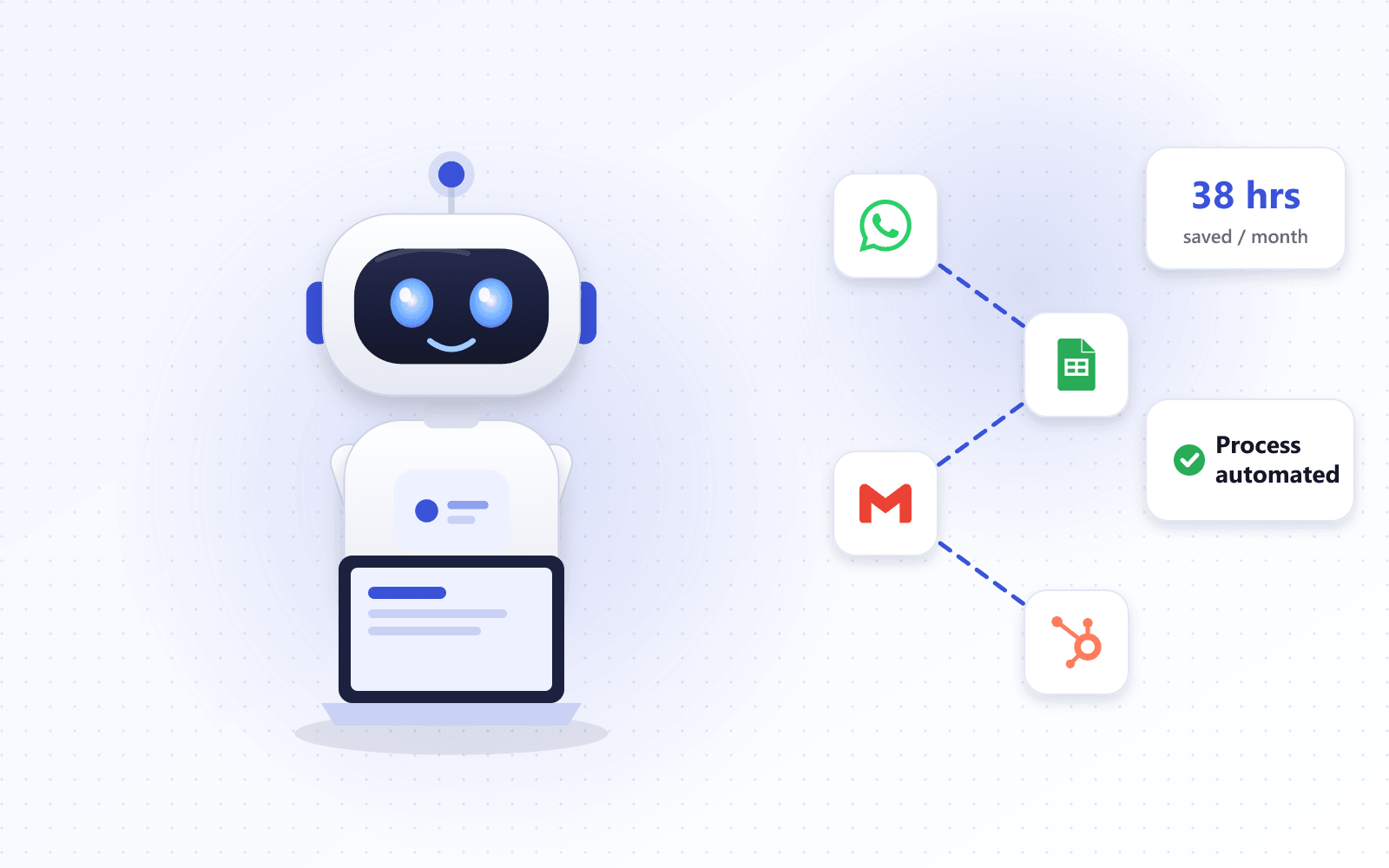
Business process automation means using software to complete repetitive, rule-based tasks without manual effort. Instead of a person copying an order from Facebook Messenger into a spreadsheet, sending a confirmation SMS and booking a courier, an automated workflow does all three in seconds.
BPA is different from simply buying new software. It connects the tools you already use, such as WhatsApp, Gmail, Google Sheets, your CRM, bKash or Stripe, so information flows between them on its own. Read more in our guide on why integrations beat buying more software.
Why automation matters for SMEs in Bangladesh right now
- Customers expect instant replies. Most buyers message on WhatsApp or Facebook and move on if nobody answers within minutes.
- Rising staff costs. Every hour spent on data entry is an hour not spent selling or serving customers.
- Growth without chaos. Manual processes break when orders double during Eid or seasonal campaigns. Automated ones scale.
- Fewer costly mistakes. Wrong addresses, missed follow-ups and double bookings disappear when data is entered once.
7 business processes Bangladeshi SMEs should automate first
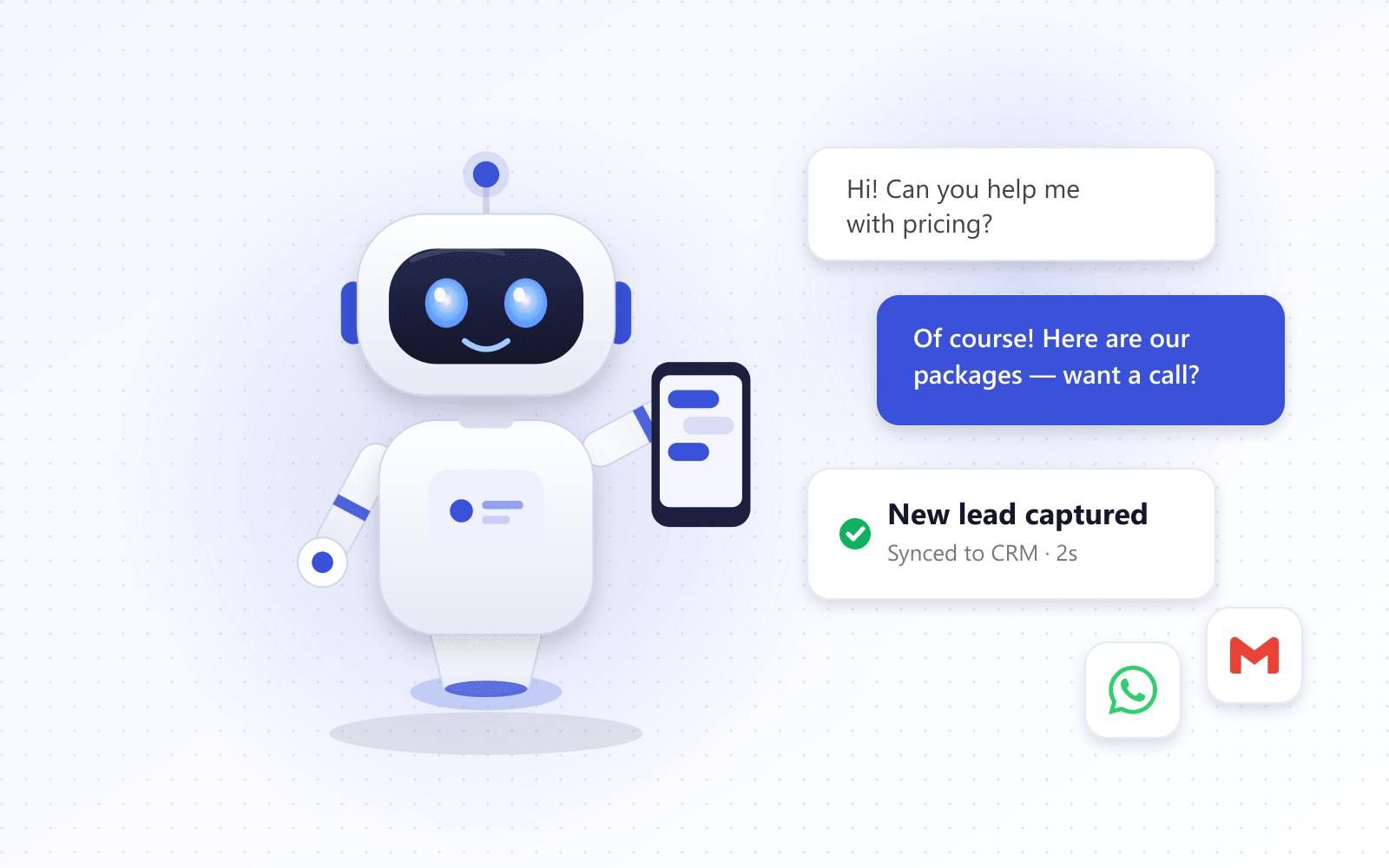
- Lead capture and follow-up. Send every Facebook, website and WhatsApp enquiry into one CRM and reply instantly. An AI chatbot can capture leads 24/7.
- Order processing. From payment to courier booking without copy-paste, as explained in our order automation guide.
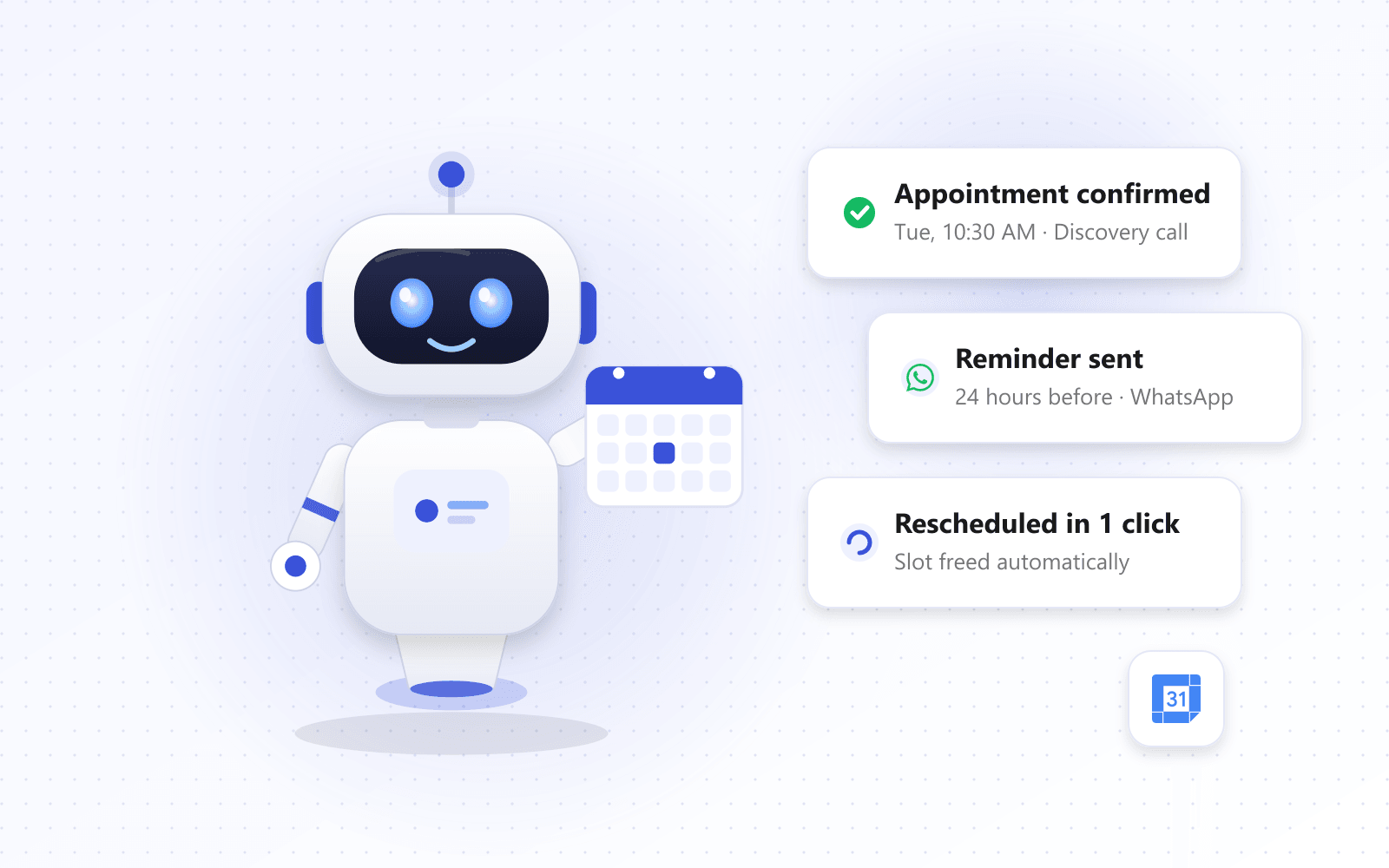
- Appointment booking and reminders. Clinics, salons, consultants and agencies can cut no-shows with automated reminders on WhatsApp.
- Invoice and payment reminders. Polite, automatic reminders for overdue invoices improve cash flow without awkward calls.
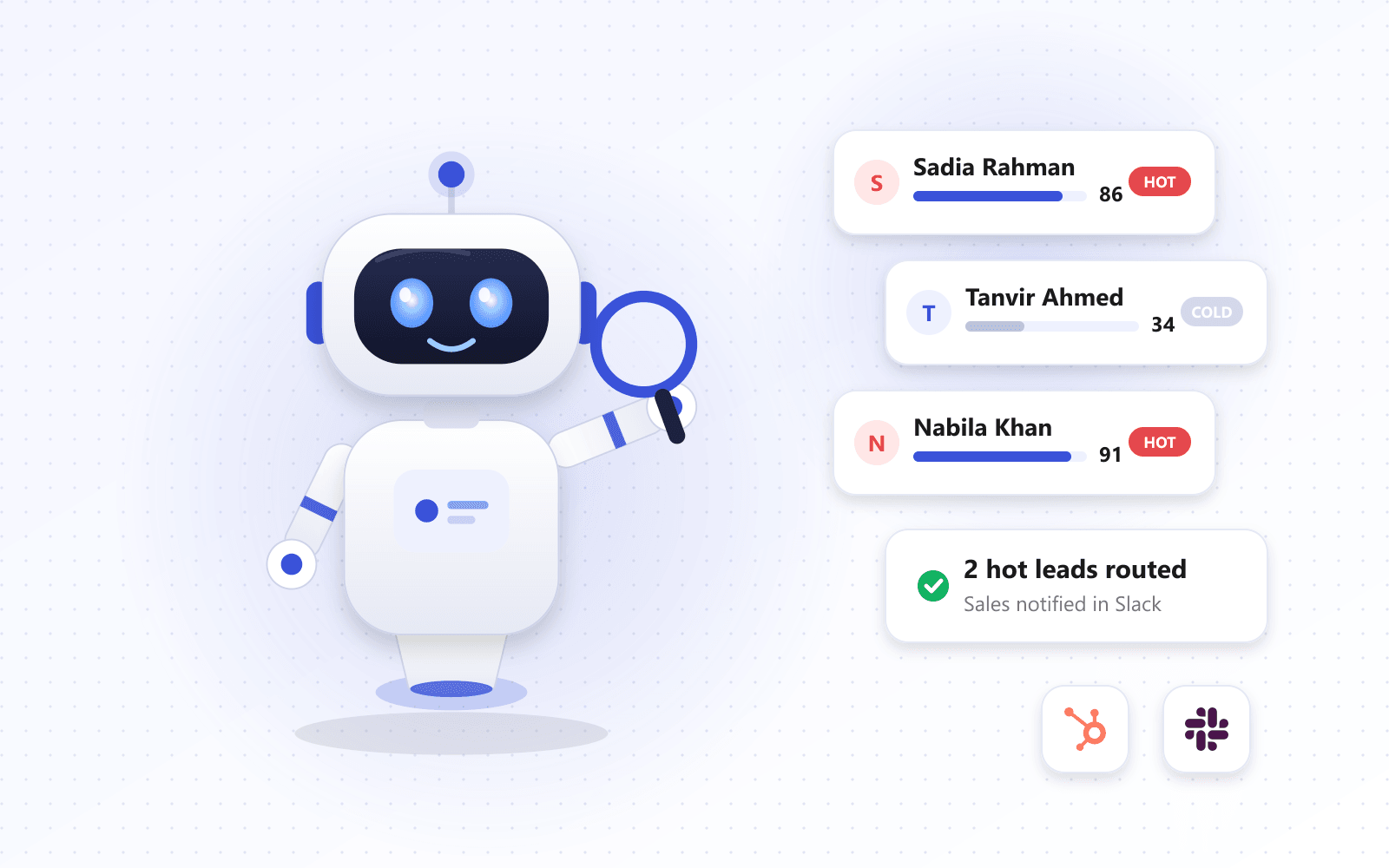
- Lead qualification. Score and route enquiries so your sales team talks to buyers first. See how AI lead qualification works.
- Daily sales and stock reports. A morning summary in WhatsApp or email instead of an hour in spreadsheets.
- Social media posting. Keep Facebook, Instagram and LinkedIn active with social campaign automation.
Not sure which one fits your business? Start with our list of 10 repetitive tasks every small business should automate first.
Tools that work well in Bangladesh
| Need | Common tools | Notes |
|---|---|---|
| Customer messaging | WhatsApp Business, Facebook Messenger | Where most Bangladeshi customers already are |
| Data and reports | Google Sheets, Airtable | Free or low cost, easy for teams to adopt |
| CRM | HubSpot, or a custom CRM | Custom CRMs avoid per-user USD fees |
| Payments | bKash, Nagad, SSLCommerz, Stripe | Webhooks trigger invoices and confirmations |
| Gmail, Google Workspace | Automated confirmations and follow-ups | |
| Automation layer | Zapier, Make, n8n or custom code | Custom code is cheaper at high volume |
If per-user subscription costs are adding up, compare options in our article on custom CRM vs off-the-shelf.
How much does business process automation cost in Bangladesh?
Costs depend on how many systems are connected and how complex the rules are. As a rough guide for SMEs:
- Single workflow (for example, form to CRM plus instant reply): typically 30,000 to 80,000 BDT
- Multi-step process (orders, invoices, courier, notifications): typically 80,000 to 250,000 BDT
- Custom CRM or AI assistant built around your business: quoted after a short discovery call
Monthly running costs are usually low, often just the tools you already pay for plus hosting.
How to calculate the ROI of automation
Use this simple formula:
Monthly savings = hours saved per month x hourly staff cost
If automation saves 40 hours a month and staff time costs 500 BDT an hour, you save 20,000 BDT every month, or 240,000 BDT a year. Most SME projects pay for themselves within three to six months. Our detailed guide shows how to calculate automation ROI with a worked example.
A 5-step plan to start automating
- List repetitive tasks your team does every day or week.
- Estimate time and error cost for each one.
- Pick one high-impact process to automate first.
- Connect existing tools before buying new ones.
- Measure the result after 30 days and expand to the next process.
Common mistakes to avoid
- Automating a broken process instead of simplifying it first
- Choosing tools your team won't use
- Forgetting error alerts, so failures go unnoticed
- Removing the human option: customers must always be able to reach a person
Frequently asked questions
Is business process automation expensive for small businesses?
No. Many first automations cost less than one month of a staff salary and pay back within a few months through time saved and fewer mistakes.
Do I need technical knowledge to use automation?
No. A good automation partner builds and maintains the workflows. Your team simply uses the tools they already know, like WhatsApp and Google Sheets.
Can automation work with bKash and local courier services?
Yes. Payment gateways and most courier services in Bangladesh offer APIs or webhooks that can trigger invoices, confirmations and delivery bookings automatically.
Will automation replace my staff?
Automation replaces repetitive tasks, not people. Teams spend their time on sales, service and growth instead of copy-paste.
How long does it take to set up?
A single workflow is usually live in one to two weeks. Larger multi-step processes take four to eight weeks.
Get a free automation audit
Ellevix helps businesses in Bangladesh find what is slowing them down and automate it. In a free 30-minute call we review your workflows, identify the biggest time savings and give you a clear, numbers-first plan. Book your free automation audit or send us a message.